A data centre in Kyiv
Your server does not sit in an office back room or under an administrator's desk. It lives in a modern commercial data centre in Kyiv built to the Tier III standard — redundant enough that any piece of engineering infrastructure can be serviced without powering equipment down.
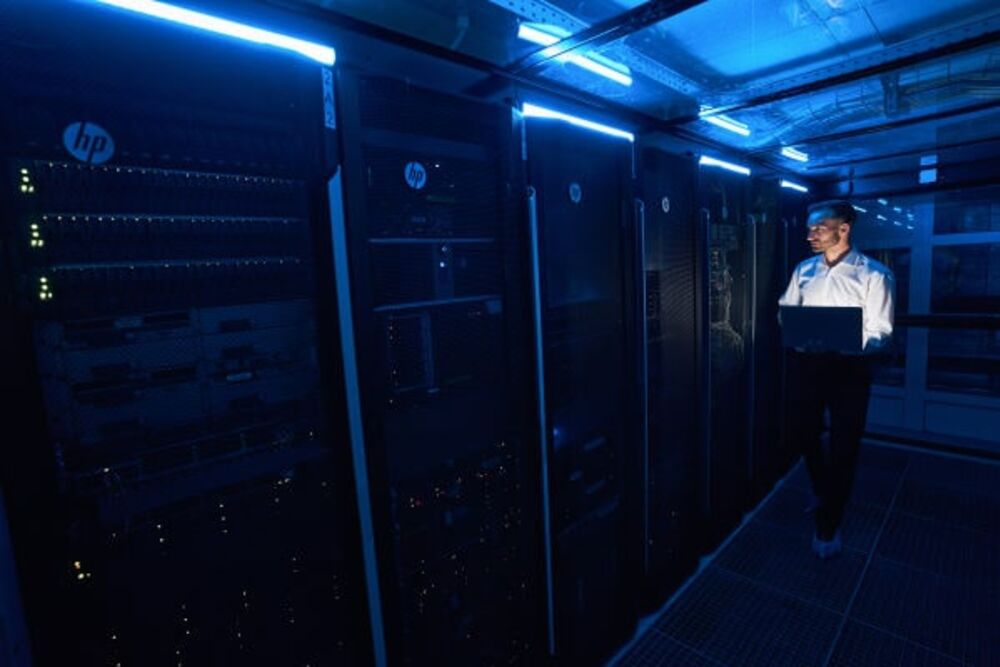
Blackouts do not stop us
This is the part worth knowing, and it is where the infrastructure spending goes.
Power arrives over two independent category-one feeds from two different substations. If one line drops, the other carries the load — these are separate points in the city grid, and a fault on one does not touch the other.
Switching over is not instantaneous, so uninterruptible power supplies sit between the grid and the equipment. They hold the load during the seconds it takes to switch feeds or start the generators. The server never notices: as far as it is concerned, nothing happened.
If an outage drags on, the diesel generator sets take over. They are rated for extended autonomous operation, and fuel is replenished while they run. It is this combination — two feeds, UPS and diesel — that lets the data centre ride out both planned and emergency outages that would stop work in an ordinary office.
Cooling with headroom
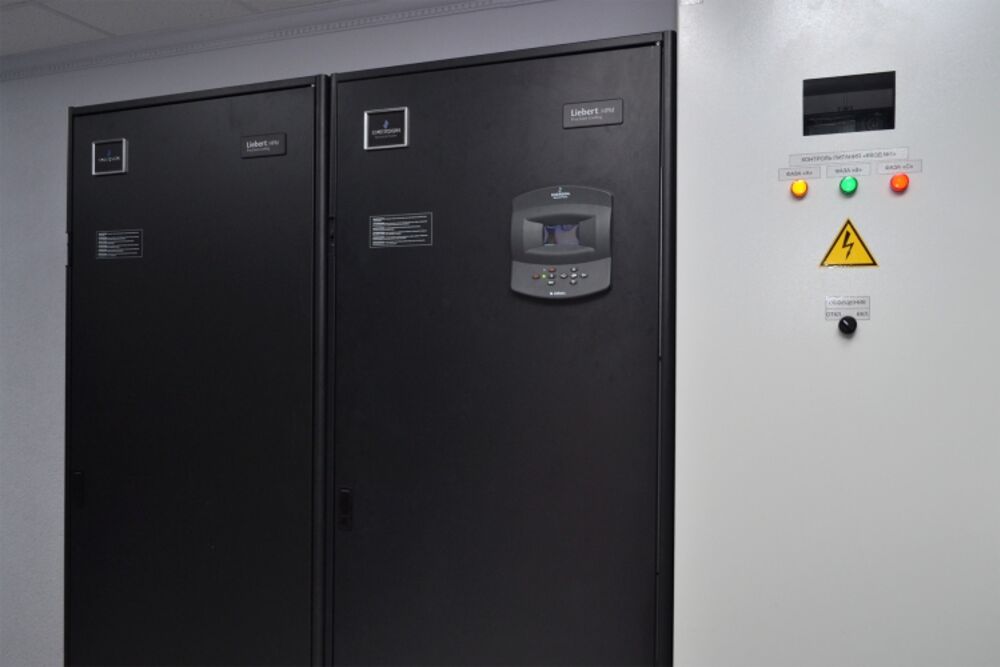
Servers generate heat, and without cooling a data hall becomes an oven within minutes. The hall runs industrial precision air conditioning from Emerson — equipment built for data centres, not domestic split units.
The system is built to 2N redundancy: twice the capacity actually needed, with the units running in cascade and relieving one another. Losing any single unit does not move the temperature in the hall — the rest simply pick up the load.

Watched around the clock
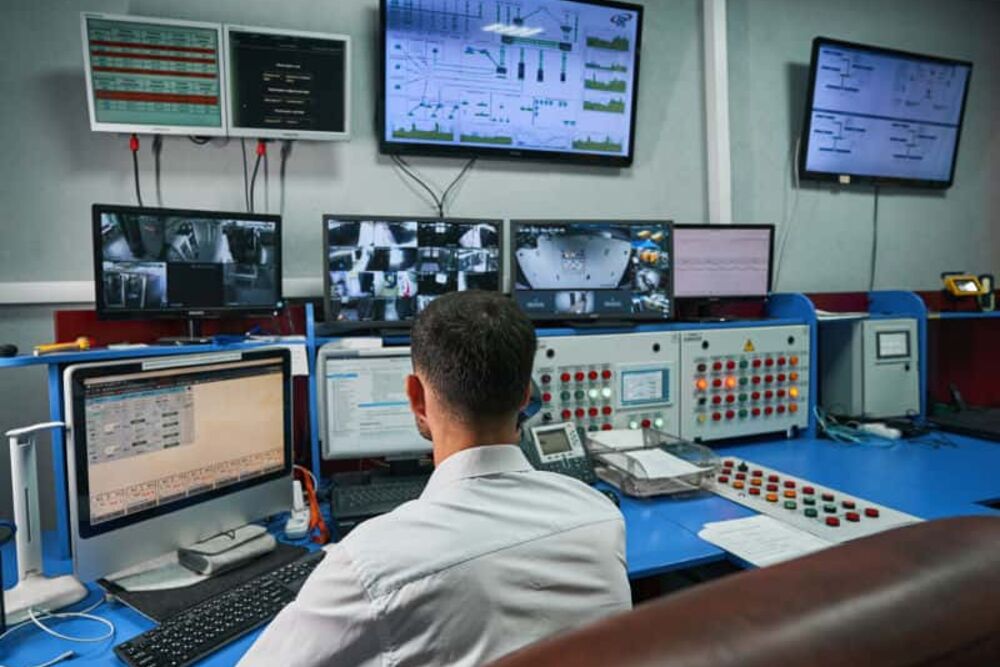
People watch the engineering systems, not just automation. A duty shift is on site 24 hours a day, 7 days a week, with power schematics, temperatures, cooling status and camera feeds on the monitors in front of them.
That means any deviation gets a response immediately, rather than the following morning. Technical support is duplicated too — it does not depend on a single site.
Physical access is controlled
Nobody walks in off the street. Access runs through several layers:
- smart card entry to the building;
- a manned security post;
- card authorisation again;
- biometric control at the entrance to the data hall itself.
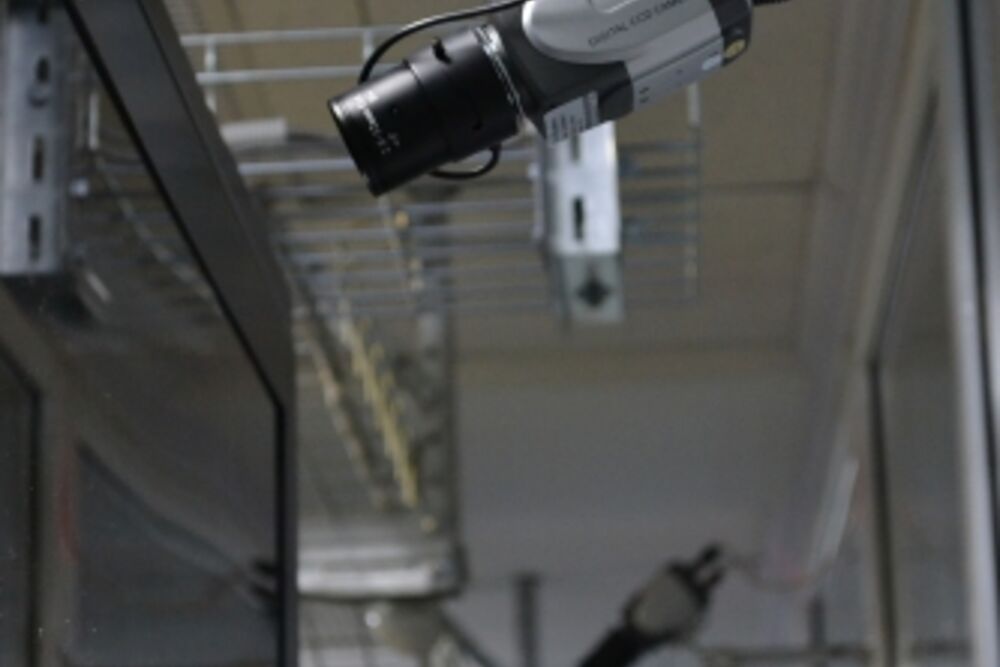
The perimeter and halls are under video surveillance, security sensors are installed, and the rooms are separated by certified fire-rated doors.
A network with no single point of failure
Fibre enters the building through two separate entries on different routes. Direct optical links run to the main traffic exchange points in Kyiv, so the path to Ukrainian users is short and external capacity is redundant.
Your server gets a 1 Gbps port and its own static IP address.

What this means for you
- Your server runs when the power is out at your home or office.
- Equipment does not overheat in summer, and does not depend on a single cooling unit.
- The infrastructure is watched around the clock, by people and by automation.
- Only authorised engineers can physically reach the servers.